Tuesday, January 30, 2007

Advertisment


The Fever, a monologue written and realized by my beloved uncle Wallace Shawn, opened this week at the Acorn Theater in midtown Manhattan. Scott Elliott, the dramatic mastermind behind last year´s HurlyBurly, is directing the production for the New Group.
Whatever you do, do not believe the review today in the New York Times (which I will NOT link here), which includes some ridiculous drivel about the play running on too long. I have not seen the current production, but the two other times I have seen Wally do the play, they were not a second too long nor a second too short. They were perfect.
All of Wally´s plays are thought-provoking. This is one of the reasons I like them. The Fever is one of my absolute favorites. Granted, it can be difficult to accept some of the ugly thoughts and feelings that the play evokes, but that´s the point, dummy. The play addresses topics I think about constantly, including the discomfort that (relatively) rich visitors feel when travelling in (relatively) poor countries. But enough of my commentary--go see the play yourself. Wish I could be there too.

Sunday, January 21, 2007

Case Record Continued...

Case Discussion: A 28 year old man with cough and fever, two weeks after starting Antiretroviral Therapy.

Sorry to Rafa and the other bored-by-medicine folk, but the comments on this case are really too good to leave hidden in the comments section of that last post. For those who missed them, Doctora Lola (Pulmonary Critical Care Specialist and ICU Director at one of NYC´s largest medical centers) said:

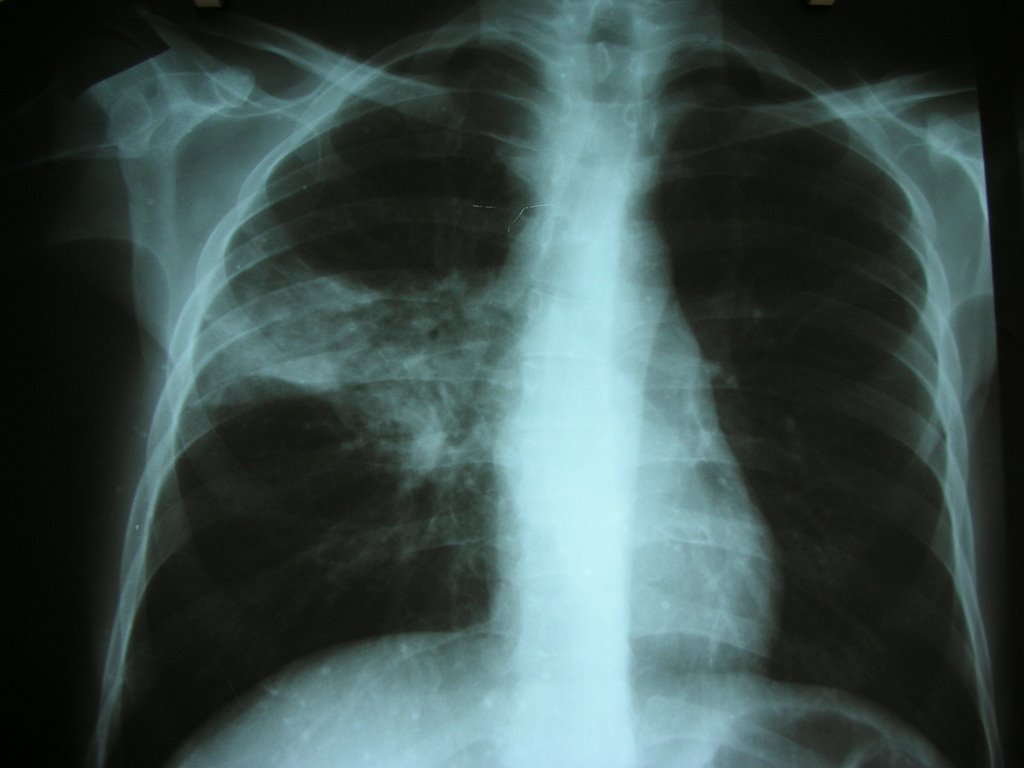
The differential is broad, although several elements of the history stand out to me as important; first he had 3 negative smears for AFB upon his initial diagnosis, second he had presumably been taking is PCP prophylaxis, third, he does not sound acutely ill on presentation to the MSF clinic, and lastly his symptoms began a couple weeks after the initiation of antiretroviral therapy. His CXR is certainly abnormal, with lower lobe predominant bilateral interstitial and micronodular infiltrates (one could use the ubiquitous radiologists term "reticulonodular infiltrates"). While the image quality is not perfect, he doesn't appear to have significant lymphadenopathy on the film. This radiographic pattern in an HIV patient is non-specific and could be many things, both infectious and non-infectious. Given his clinical course, infectious causes seem most likely, particularly with a possible element of immune reconstitution with him recently starting HIV meds. The infections I think are most likely are 1. PCP (despite prophylaxis), 2. TB, 3. Community acquired pneumonia 4. MAI (CD4 is a little high). Non-infectious etilogies to consider (although much less likely) are lymphocytic interstitial pneumonia, hypersensitivity pneumonitis and drug reaction.

Doctora Magda (Infectious Disease Consultant and HIV Researcher at another NYC mega-medical center) said:

I agree with Lola and think that IRIS is a real possibility, although his initial CD4 cell count was fairly high at 160. The risk of immune reconstitution increases with lower CD4 cell counts at the time of ART initiation. Of course, there are never any absolutes. I was curous whether you rechecked his eosinophils at his second presentation - I would also add strongyloides (hyperinfestation) to his ddx

Amazingly, the Puerto Barrios Community doc had arrived at the same differential diagnosis as the New York academic specialists! [Perhaps not all that amazing afterall, as I learned almost everything I know from these two bad-asses.)

I thought that infectious etiology was most likely, given the patient´s low grade fever and cough, along with the CXR results. The reticulonodular pattern on CXR was most suggestive of PCP, and the patient´s CD4 count of 160 would be consistent with this diagnosis. However, the pateint insisted that he had been taking his Trimethroprim, and I believed him. This would make PCP much less likely. Even though the patient had been AFB negative x 3 prior to starting his antiretrovirals, we all know that AFB smear is only about 50% sensitive in HIV positive patients with TB. I thought the likelihood of immune-reconstitution syndrome (IRS) with recognition of a previously undiagnosed TB infection was a real possibility. Of course Dr. Magda´s comment that IRIS is most commonly seen in patients with very low CD4 counts crossed my mind, making this diagnosis a bit less likely in our patient with CD4 of 160. I did not think about strongoloides hyperinfection. It is a great thought though, because we see a lot of strongoloides here (stool smears for parasites are one of the few strengths of our lab here in PB), and immunosuppresed patients are at high risk for hyperinfection.

So what is Immune Reconstitution (IRIS) anyway? I am no expert. My understanding is basically that as AIDS patients replenish their CD4 counts and their immune systems recover, the T-cells start fighting infectious that they previously did not have the energy to notice. A 2004 review in Clinical Infectious Diseases describes IRIS as:

an inflammatory syndrome occurring days to months after the start of ART, with outcomes ranging from minimal morbidity to fatal progression. This syndrome can be elicited by infectious and noninfectious antigens. Microbiologically, the possible pathogenic pathways involve recognition of antigens associated with ongoing infection or recognition of persisting antigens associated with past (nonreplicating) infection.

About 25-50% of IRIS cases are thought to be due to mycobacterial disease that was subclinical prior to starting antiretroviral therapy.

So what happened with the patient? I started him on empiric treatment for PCP as an outpatient and told him to drop off as many sputum samples as possible at the Centro De Salud for AFB analysis. He came back the next week with three samples +++ for AFB. I stopped the PCP treatment and told him to go back to the Centro de Salud STAT to get TB treatment. He is now on four drugs for tuberculosis and continues on Anti-retrovirals.

Thanks Lola and Magda! I miss you.

Monday, January 15, 2007

Case Records of the Hospital Nacional, Puerto Barrios

If any medical types are reading this:

Case Records of the Hospital Nacional, Puerto Barrios: A 28 year-old man With Cough and Fever, 2 Weeks After Starting Antiretroviral Medicine

Sr. L is a 28 year old man who lives in Eastern Guatemala. He was well until the fall of 2006, when he began to lose weight and feel weak. He also noted fevers and watery diarrhea. He did not have a cough. He went to a neighborhood doctor, who took blood for lab tests. Results of initial labs showed WBC 9,100 (55% PMS, 42% lymphs, 3% Eos), Hg 9, Hct 28, AST 64, ALT 63. A stool study was positive for Entamoeba Histolytica. Three sputum smears were negative for AFB. Rapid HIV test was positive. He was referred to the MSF clinic, Hospital Nacional, Puerto Barrios.

We saw him for the first time on Oct 9th. He recounted the history outlined above. He has no other past medical or surgical history. He takes no medicine. He has no known allergies. He lives with his wife, who is pregnant, and 7 year old son. He is currently unemployed; he used to work as a salesman. He used to drink beer every day, but stopped when he found out he was HIV positive (one week before he came to our clinic). He does not use drugs or smoke tobacco. Reviews of systems was otherwise unremarkable. His exam was notable for a young man who appeared thin, but not acutely ill. His weight was 43 kgs, height 158 cm (BMI 17), pulse 92 and he was breathing comfortably. His conjunctiva were pale pink and nailbeds pale: he had oral thrush. His thorax and cardiovascular, and abdominal exams were normal.

Our initial impression was a 28 year old man with AIDS (CDC stage B), anemia, mild transaminitis, and Entamoebia Histolytica. We ordered a CD4 count. Our lab cannot do any tests that are not listed above. We follow the Guatemalan National Protocol for TB screening (they do not screen for latent disease). We started him on 1 double strength TMP-SMX daily (PCP prophylaxis) and Metronidazole 500 mg q8 for 14 days (E. Histolytica treatment).
He returned for a follow-up visit three weeks later. He did not have any new complaints. His CD4 count came back at 160. He was seen by the social worker and psychologist, and was approved by the Committee for Anti-Retroviral therapy. In mid-December, we started him on Nevirapine, 3TC, and D4T. He continued Trimethroprim prophylaxis, and reported adherence to this therapy.
He returned two weeks after starting Antiretrovirals complaining of a productive cough, fever, and shortness of breath on exertion for 1 week. He denied diarrhea and other GI and cardiac symptoms. His weight was 44 kgs, temp 37,5 degrees C, pulse 112, and RR 22. His lung exam was notable for few scattered crackles bilaterally, bases more than apexes. His Chest X-ray is shown above.

Ideas? Differential Diagnosis? I thought it might be interesting to compare what the work-up would be in an academic center in New York verses Puerto Barrios, where diagnostic tests are limited (to say the least). What says my Director of ICU Megalopolis Academician Geniusy Amigita Lolita?

On the Living Room Floor...


The scorpions and spiders battle for turf. For reference, the spider-diameter is almost the same size as a CD! (or at least 75% of the size).

Sunday, January 07, 2007

Goodbye Rafa

Rafa says the recent medicine-related posts on this blog are "boring." Maybe these pictures from his goodbye party will interest him. First, to dispel a common rumor, life here is more than just a constant party. We actually work during the week. Now, about the party:

Rafa, Project Barrios Logistician, is leaving next week. He is going to a MSF Logistics training course/conference near Bogotá Colombia, then home to País Vasco (aka Basque Country). Happily, Ángeles, the former logistician for the Olopa Chagas Disease project, will take Rafa´s place.

We had a party on Friday night to say goodbye to Rafa, Dolors, and Jairo, and to welcome Ángeles. Conrado and Rafa arranged to buy a pig several weeks before the party. They snapped the above pic on a site visit to ensure the pig was fat enough to feed the expected guests.

The day of the party, Norma hacked the pig to bits with an ax (pic at right). Droplets of piggy-juice flew everywhere. It was disgusting. If I was not a vegetarian already, I´m sure this sight would have converted me.

I will not describe the details of the beer and liquor purchase, as I did not get a picture of the bottles, and I´m sure nobody will believe me without it. It will suffice to say that we bought enough to double or triple the LFTs of 80 guests.

Pichi barbecued pig meats while Norma made stew from various internal organs. We also made guacamole, yucca, salad, tortillas, and mojitos. The guests feasted like ravenous carnivores. Magdalena (at left) said the food tasted good. I spent my time documenting the transformation from cute piggy to bubbling stew, the last pork incarnation pictured at right.


I am in no mood to deal with my sentimental side, so I will not ramble about how much we will miss Rafa etc etc. I just hope he will eat more of this stew before he leaves, so we can get this pig out of our fridge.

Tuesday, January 02, 2007

The Family Visits

My family and a couple of friends from New York visited me in Eastern Guatemala over the weekend. If big smiles are an accurate indicator, they appeared to enjoy the trip (despite bats in the bungalows and other assorted minor mishaps).

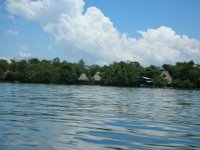
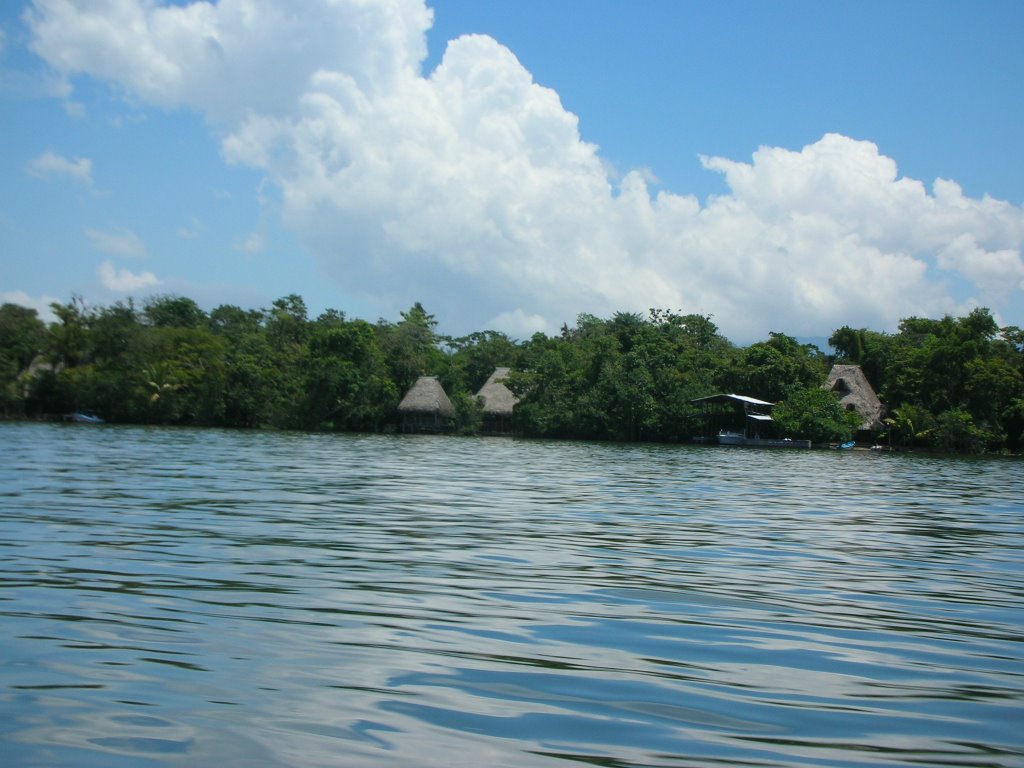
We traveled down the Rio Dulce to the mouth of Lago Izabal. Mom kayaked and toured the nearby village. Her less active offspring drank beers and watched the sunset over the river.

After my parents left on Dec 31st (pic at right below), we boated back to Livingston. Somebody in the boat mistook my sister for an Evangelical. There is a first time for everything, I suppose.

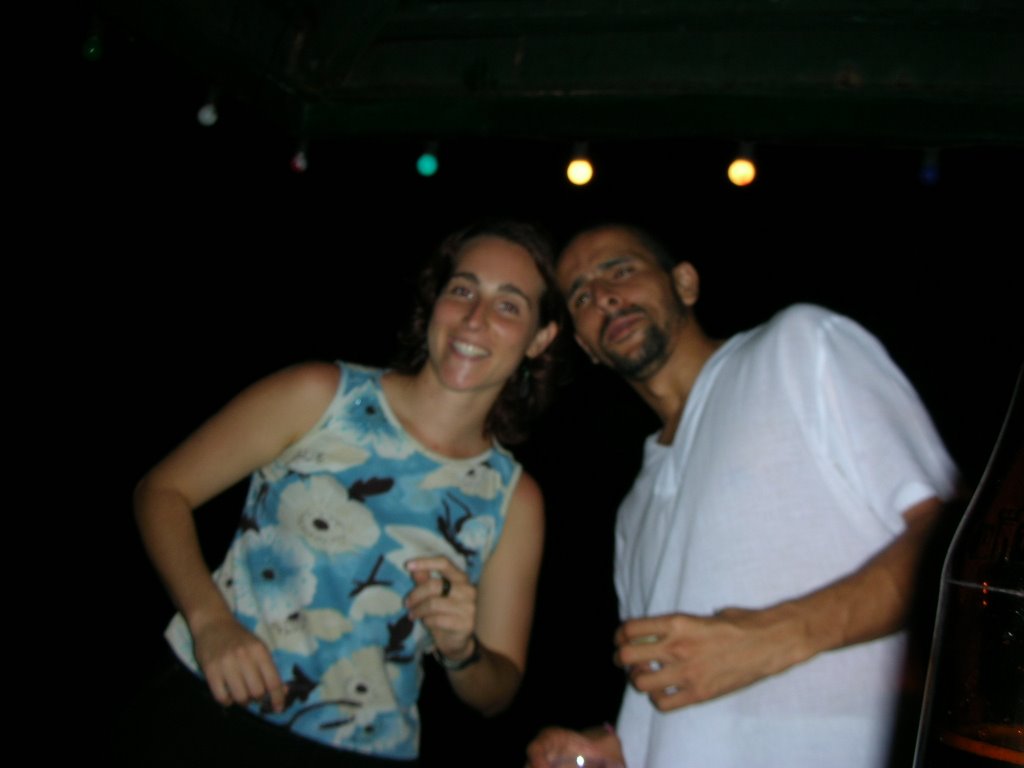
Back in Livingston, we drank and danced in the new year with Conrado, Rafa, and Pichi. Jenny´s smile (above) is just after midnight, Jan 1 2007.

I spent the weekend feeling fortunate that I have such an amazing family!

Wednesday, December 27, 2006

On Tuberculosis and Bureaucracy

I am living a Tuberculosis nightmare. I get agitated when I think about it. I wish I had a sedative to calm my nerves as I write this.

The background: HIV and TB are a deadly combination. Unfortunately, they are also both common diseases. One-third (1/3) of the world´s population has been exposed to tuberculosis and is walking around with latent disease.

Most HIV-negative people do not get sick with active TB after they have been exposed. A healthy immune system usually controls the TB mycobacterium. Nevertheless, a few scattered mycobacteria hide away, alive and well, even in the healthiest of hosts. This is called latent disease. Should the host become immunosuppresed, the hidden mycobacteria are more likely to "reactivate"--multiply out of control and blossom into an active TB infection.

HIV positive people who have been exposed to TB are 100 times more likely to get sick with active disease than non-HIV patients. Not only does HIV make TB worse, but TB makes HIV worse. HIV patients with active TB have higher HIV viral loads, and their CD4 counts fall faster than patients without TB. Many patients with HIV and TB coinfection die. In fact, tuberculosis is the leading cause of death in HIV positive patients worldwide-- most certainly in places like Puerto Barrios Guatemala.
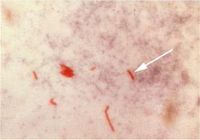
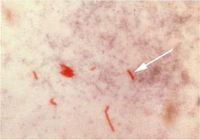
Doctors can usually diagnose TB in HIV-negative patients by ordering a sputum smear (pic at right). (1) Cough up glob of phlegm. (2) Smear phlegm onto microscope slide. (3) Throw on a few drops of dye. (4) look at slide under microscope. If pink "acid fast bacilli" are visible, the patient is deemed "AFB positive," and treated for active tuberculosis.

Unfortunately, smears are not a good way to diagnose TB in HIV positive patients. About 50% of HIV patients with active TB are "smear negative," which means that no organisms are seen under the microscope, even when the patient is swarming with them. The best way to diagnose TB in smear negative HIV patients is to send phlegm or other body fluid-- blood, cerebral spinal fluid, or urine-- for culture. Or, if you want to spend even more money, you can send the sample for a fancy DNA amplification test called PCR. Unfortunately, many "resource-constrained" (aka poor) places cannot afford to do TB cultures, much less PCR.

Public health authoçrities like the World Health Organization and the CDC have woken-up to the TB/HIV coinfection emergency. They also seem to have realized that poor countries cannot always send cultures, and therefore have trouble diagnosing smear negative patients. WHO recently published guidelines for diagnosing and treating smear-negative coinfected patients in resource constrained settings. These guidelines urge doctors to treat smear negative patients even in the absence of a confirmatory culture. When HIV positive patients have signs and symptoms of TB ("high- suspicion" patients), the guidelines recommend treatment, even if smears are negative and no cultures are available.

Unfortunately, the Guatemalan Ministry of Tuberculosis has not read the WHO guidelines. Or maybe they think Guatemalan coinfected patients are different from coinfected patients in other countries around the globe. Who knows what they are thinking? All I know is that many of our smear-negative patients cannot get treatment.

You can walk into almost any pharmacy in Guatemala and buy antibiotics, sedatives, narcotics, proton pump inhibitors, mega-dose injectable vitamin B12, and kill-your-kidney injectable NSAIDS without a prescription. But you cannot buy INH, Rifampin, or Ethambutol, the drugs used to treat TB. these drugs are only available from the Centros de Salud (primary health care centers). Unfortunately, when we send our smear-negative patients to the Centros de Salud for treatment, they are often told that they cannot get treatment unless they have a positive smear or culture. Our letters and phone calls are not much help.

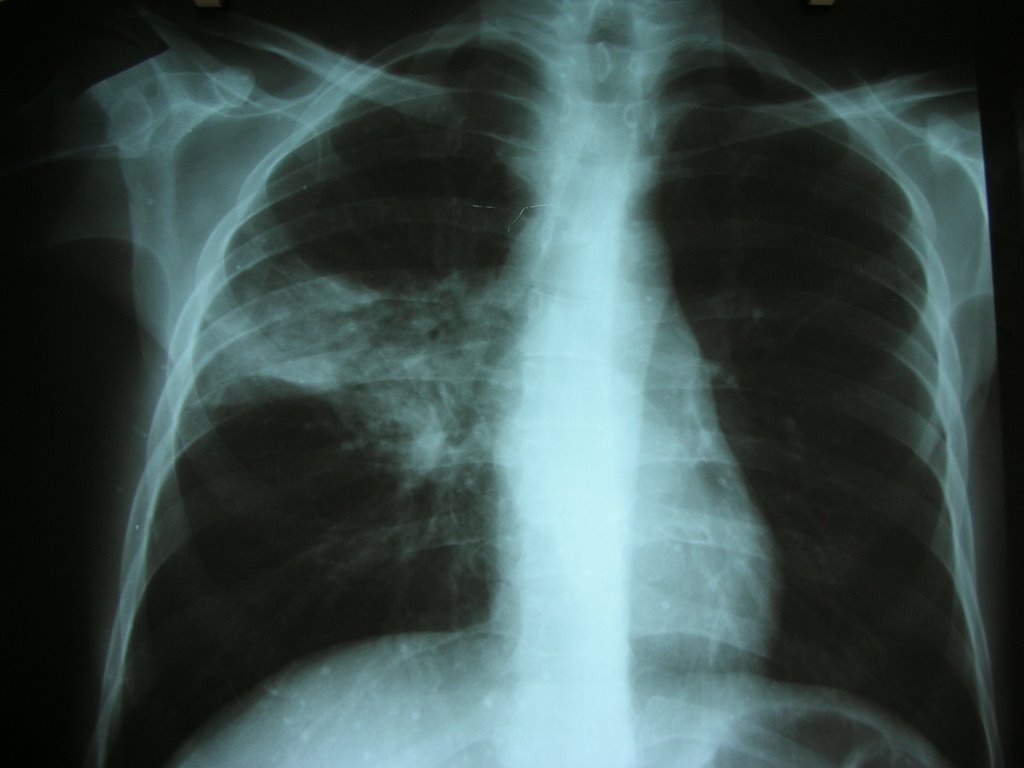
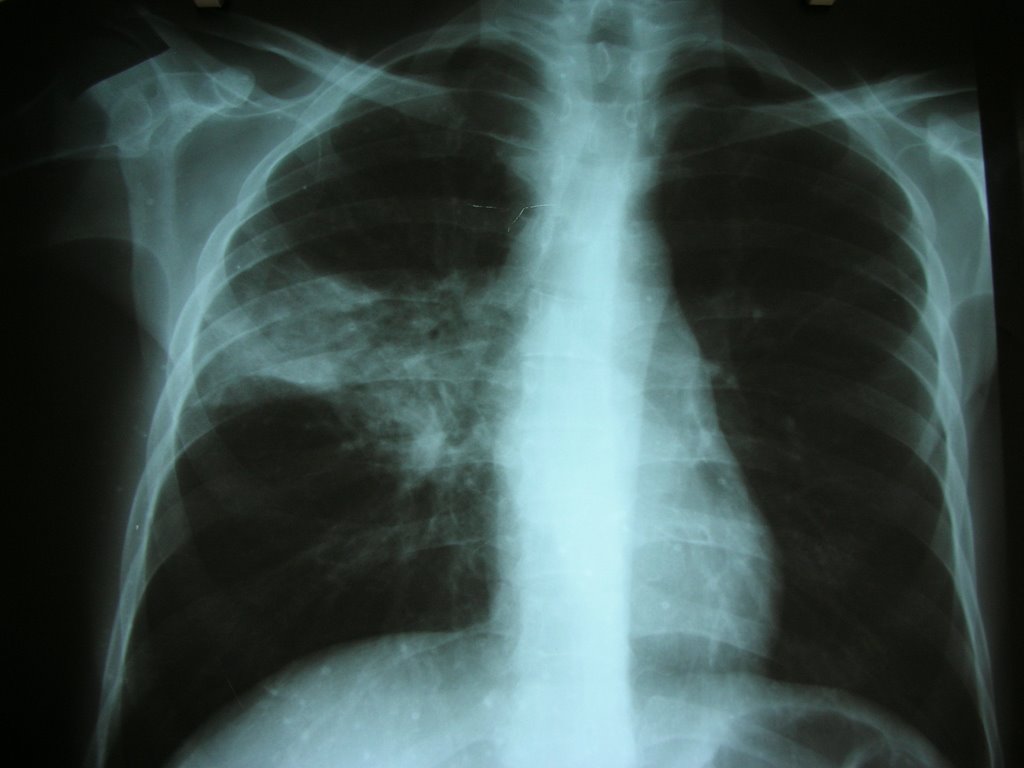
What happens to our patients? An example: A 42 year old man with HIV, previously doing well on antiretroviral therapy came to the clinic with cough for a couple of weeks. We gave him antibiotics, an "empiric" treatment for bacterial pneumonia, and sent three sputum smears for AFB. All the smears came back negative. He was no better in a couple of weeks. He was losing weight and he looked weak and tired. We sent him for a chest X-ray (shown above right). It does not take a pulmonologist or radiologist to see that the left side is different than the right side. Hummm.... HIV positive, cough, weight loss, night sweats, not better with antibiotics.... could it be... TB??? But when we sent the patient to the health center with a letter and a copy of his X-ray, he was told he could not get TB treatment because his smear was negative. The health center employee would need to write a letter to the central office in Guatemala. If they approve empiric treatment in one of their upcoming meetings, the patient might be approved for empiric treatment. In the meantime, he would have to wait. It could take weeks, even months for the central office to get to his case. I blew my stack when he came back and told me the story. My temper tantrums do not help.

Until Guatemala changes it´s practice for management of smear negative TB in HIV positive patients, our patients are in serious trouble. In fact, we are all in serious trouble. I can only hold my breath for so long, before I breathe in one too many AFBs.

Saturday, December 23, 2006

Google.earth

This has nothing to do with Guatemala or AIDS or medicine.

Have you seen google.earth? It an amazing computer program. When you open it, you see a picture of earth on the cmputer screen. By clicking the mouse, you descend to earth from space, down to whichever continent you choose. As you get closer, you can navigate to the location of your choice, right down to individual buildings and landmarks. I went from space to 102nd st., between WEA and Riverside, in about 20 seconds! They finally took down the scaffolding outside my old building, I see.
Conrado is in a China phase. He is sick of Spain.

Monday, December 18, 2006

Cell #2 Leadership Visits Project Barrios

Silvia and Paco visited Puerto Barrios last week. Silvia is the TESACO (MSF lingo for Barcelona high-honcho) for MSF-Espana, celula #2. She started as a lowly field doctor, just like me. On subsequent missions she moved up in responsibility, from field coordinator, to medical coordinator, to technical advisor for cell # 2.

Cell # 2 runs MSF-Espana missions in Guatemala, Ecuador, Congo, India, Bolivia, and Columbia. Paco is in charge of finances for the cell. Cell # 2, I should note, is the shining star of MSF-Espana. Once you work in cell # 2, it´s hard to go anywhere else. And I landed here on my first mission!

We met with Silvia, Paco, and Regina, the Guatemala country coordinator, last week to discuss the work we need to do before the project closes next year. Pic above left shows Silvia (in white sweater) working on computer in between Regina (in yellow) and Nuria (in black).

Visitors from the Capitol or Barcelona headquarters stay in our house when they visit the field. Pic at right shows our team hanging out with Regina (in pink), Paco (in black shirt, second from left) and Silvia (on sofa in white). Notable difference from my old job--I would not want to hang out with my boss´s boss´s boss in NYC, much less see him/her on my way to the bathroom in the morning.

Tuesday, December 12, 2006

Whatever Happened to the Patient?

Lawrence Altman had an article yesterday in www.nytimes.com on the sad evolution of grand rounds. I feel light years away from Grand Rounds here in remote Guatemala, but this article dug up some buried frustration with academic medicine leftover from my days in Northern Manhattan.

Altman explains that patients used to be the centerpiece of grand rounds. A junior clinician presented the patient´s case to a master clinician. The master clinician taught the audience how to talk to the patient, examine the patient, and synthesize information to formulate a diagnosis.

These days Grand Rounds are about anything but the patient: basic science, clinical research, epidemiology, ethics, imaging, new and improved lab tests, health policy, financing, "the IIbIIIa Receptor, Yet Another Update," etc. etc.

Altman could have argued that Grand Rounds is just another example of the loss of patient-centered medicine. Somehow patients have virtually disappeared from the academic medical center. There are groins in the cath lab and liver biopsies in the pathology fridge, but an entire patient is nowhere to be found. Maybe they got lost amongst the grant applications, in the labs, or under the piles of insurance paperwork.

Thursday, December 07, 2006

¡Ojo!


On the living room floor....

Saturday, December 02, 2006

World AIDS Day

In honor of World AIDS Day, December 1st, I refer you to the following link. It is a New England Journal of Medicine editorial from earlier this year written by Dr. Jim Kim, who is a professor at Harvard, a founder of the NGO Partners in Health, and en ex-employee of WHO.

If the article bores you, at least glance at the picture of a Haitian patient before and after treatment with antiretroviral medicine. Amazing.

Friday, December 01, 2006

Spanglish

I don´t speak English anymore. I speak a rare form of Spanglish. It is mostly Spanish, with a few words of English thrown in. Sometimes I get sick of Spanish, so I speak English, with a few words of Spanish thrown in. Both forms of Spanglish have miserable grammar, a mix of spanish and english constructions with dangling modifiers or gerunds and whatnot. I´ll tell you a story in Spanglish (the mostly English form):

Dolors, my boss here in Guatemala, has a sister. The hermana is a native a Catalunya, which is a country near Spain. The sister teaches English to gente in Spain who want to learn English.
Lola gave the sister the address of this sitio de Internet, so she could look at pictures of Guatemala etc. The sister told Lola that I tengo terrible English grammar. What a diss!

I saw a movie on TV about a futuristic society. All the people are of mixed race. They ripped off my Nell-brand Spangish for their script. All the characters habla a form of Spanglish remarkably similar to my own. I am going to my casa now. More Spanglish, mixed with some Medspeak to come...

Sunday, November 26, 2006

Día Garífuna

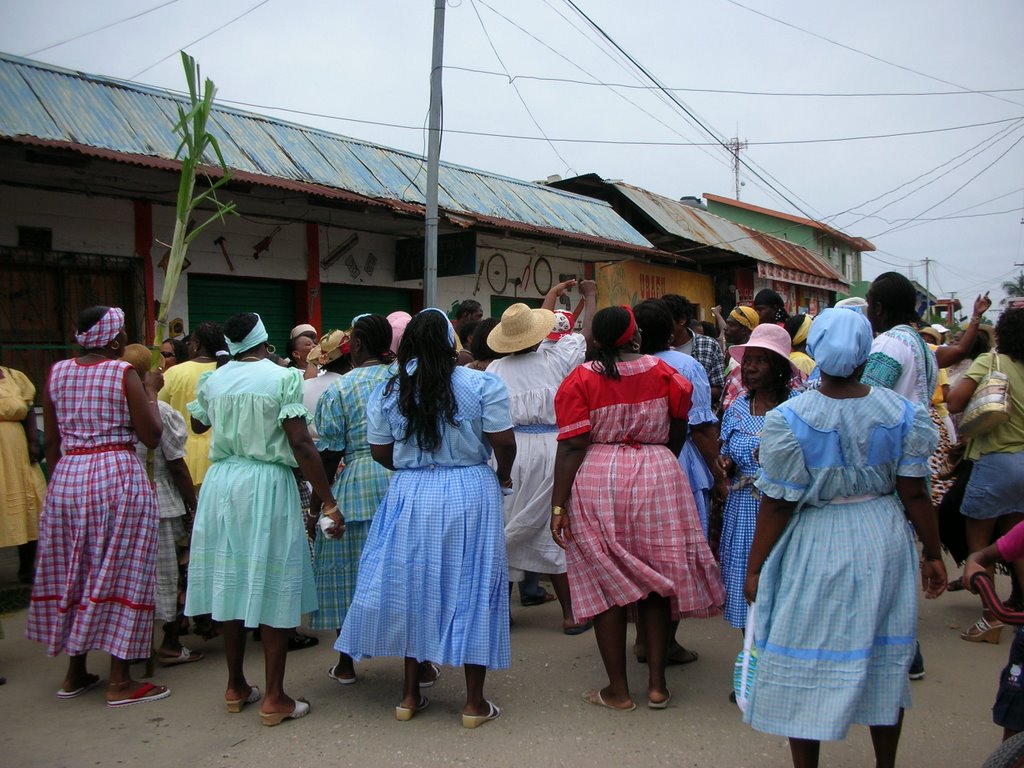
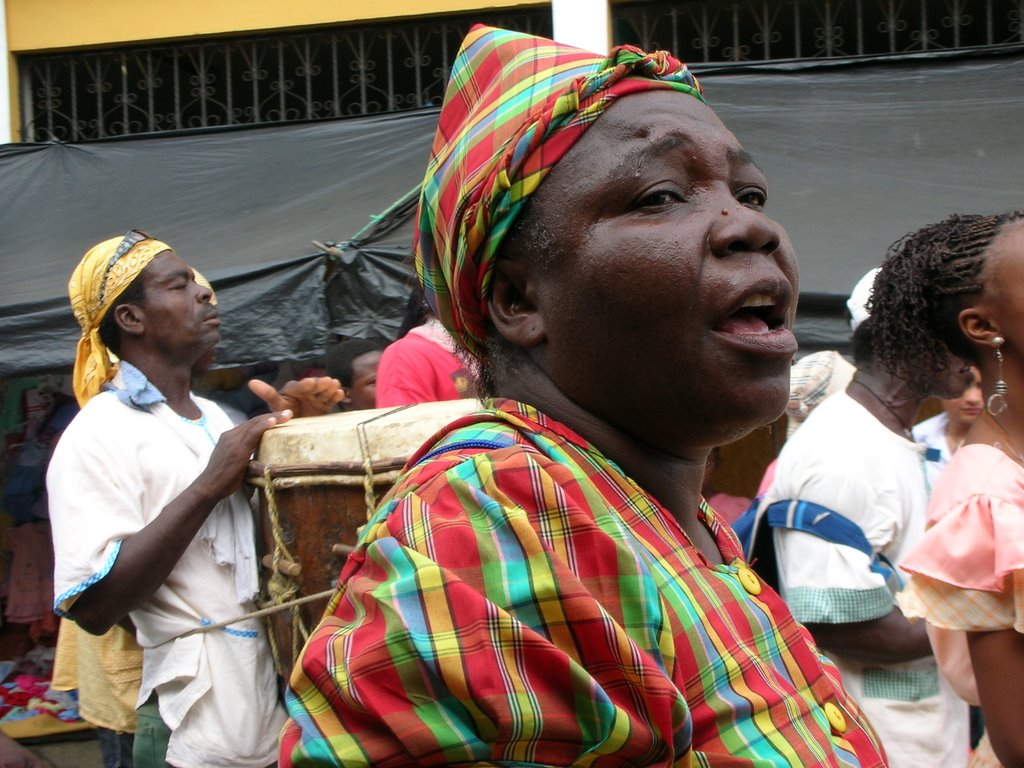
November 26th is the annual Día Garífuna in Livingston Guatemala. Apparently, shipwrecked African slave boats brought their ancestors to the island of St Vincent in the Caribbean sea in the 18th century. In 1796 they migrated from St Vincent to the island of Roatán (off the coast of Honduras), then to Eastern Guatemala, Belize, Honduras, and Nicaragua. Most Garífuna now live in Livingston Guatemala and in New York City.

Every November 26th at 5am, the Garífuna in Livingston renact their arrival by boat to the dock in Livingston. They parade up mainstreet singing and dancing "punta" (vigorous booty shaking). Everybody goes to church, then the bars on mainstreat, where there is much merrymaking and Gifiti-drinking. Gifiti is a potion of rum, and various mystery herbs, "one that grows up and one that grows out," according to Pichi, Livingston native and herbal medicine practitioner.

Many Garífuna in Guatemala are trilingual; they speak their own language, Spanish, and English. I had several lovely conversations about the relative merits of Brooklyn vs Livingston.

Wednesday, November 22, 2006

Nuns by the Seaside


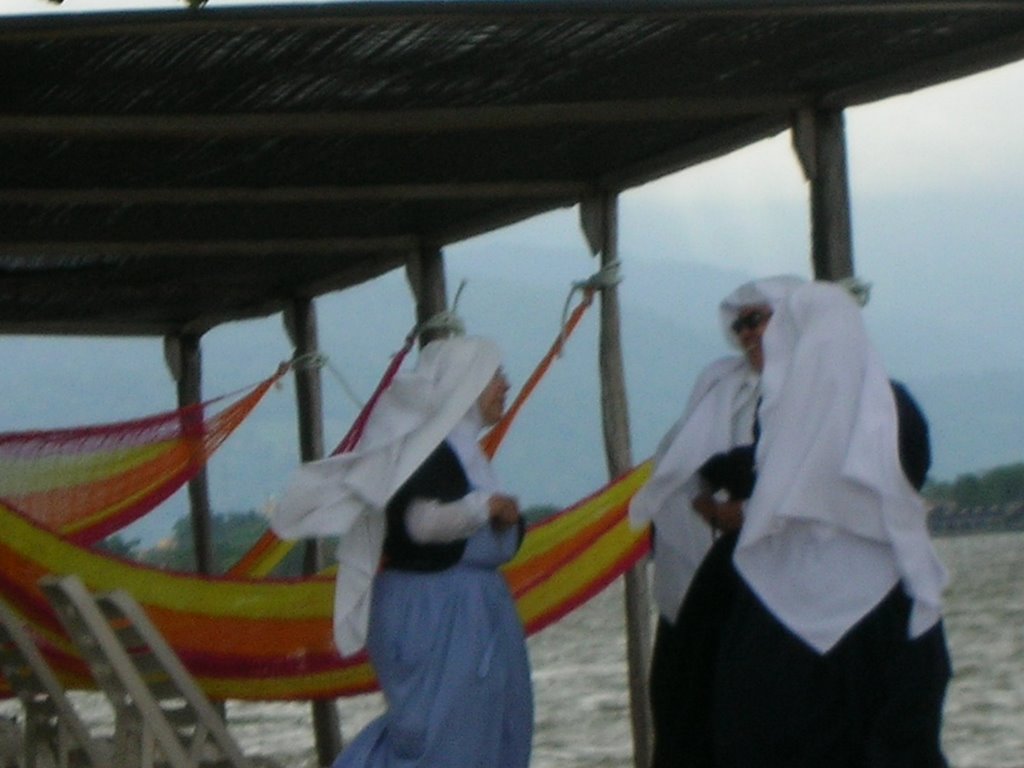
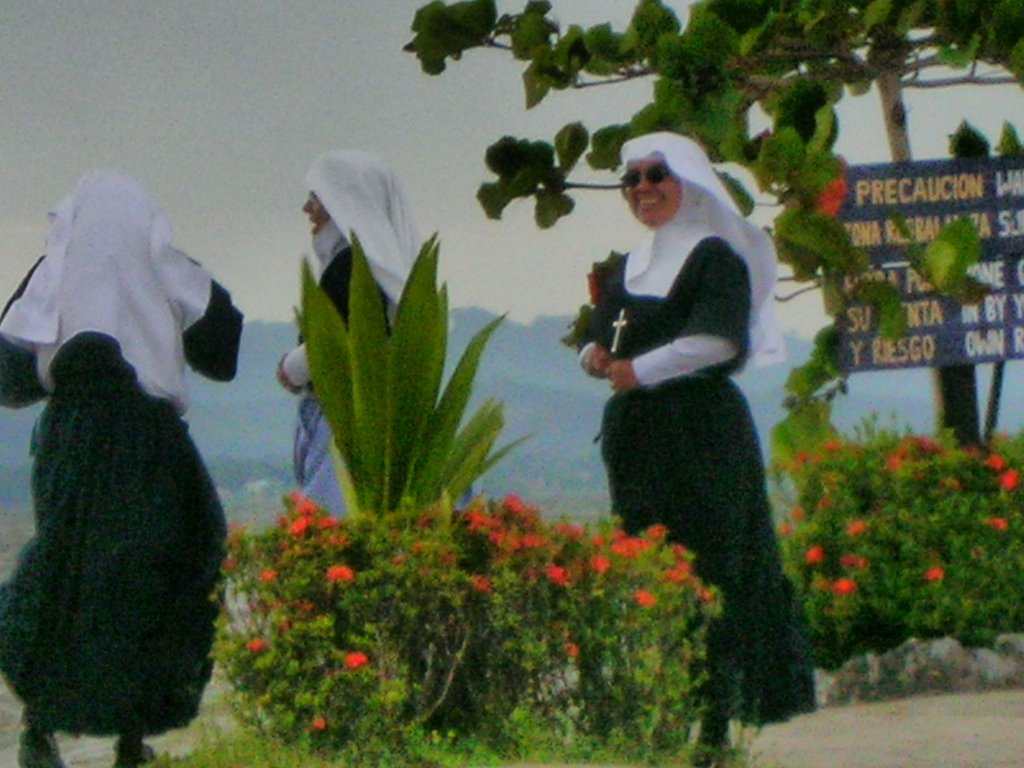
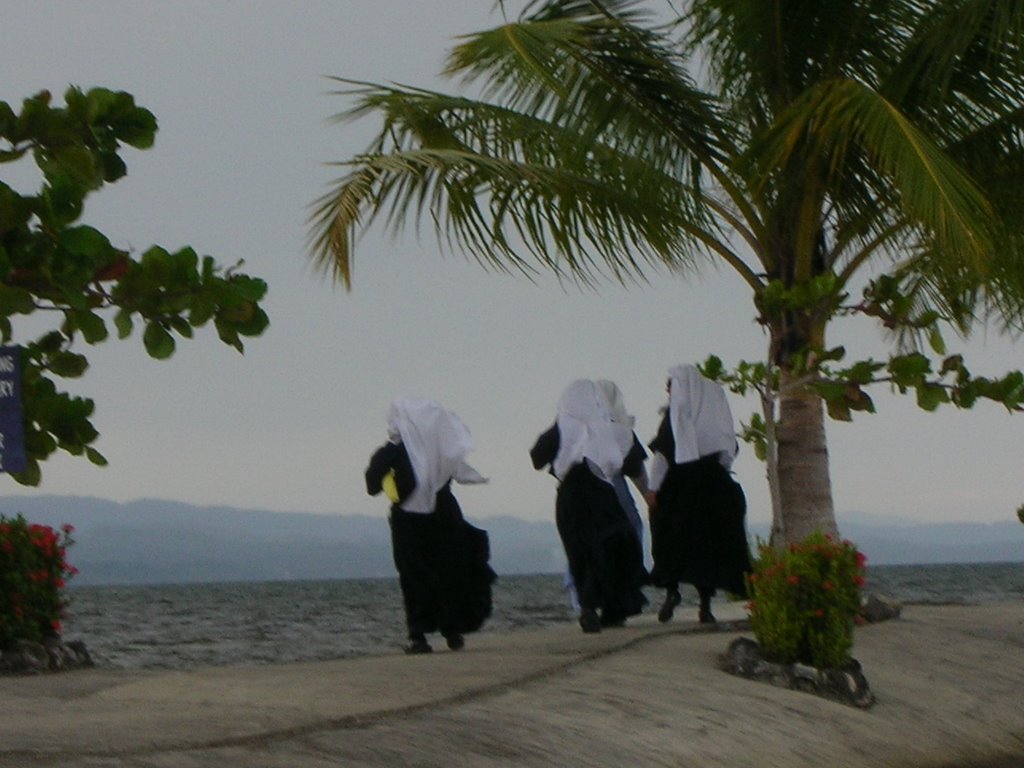
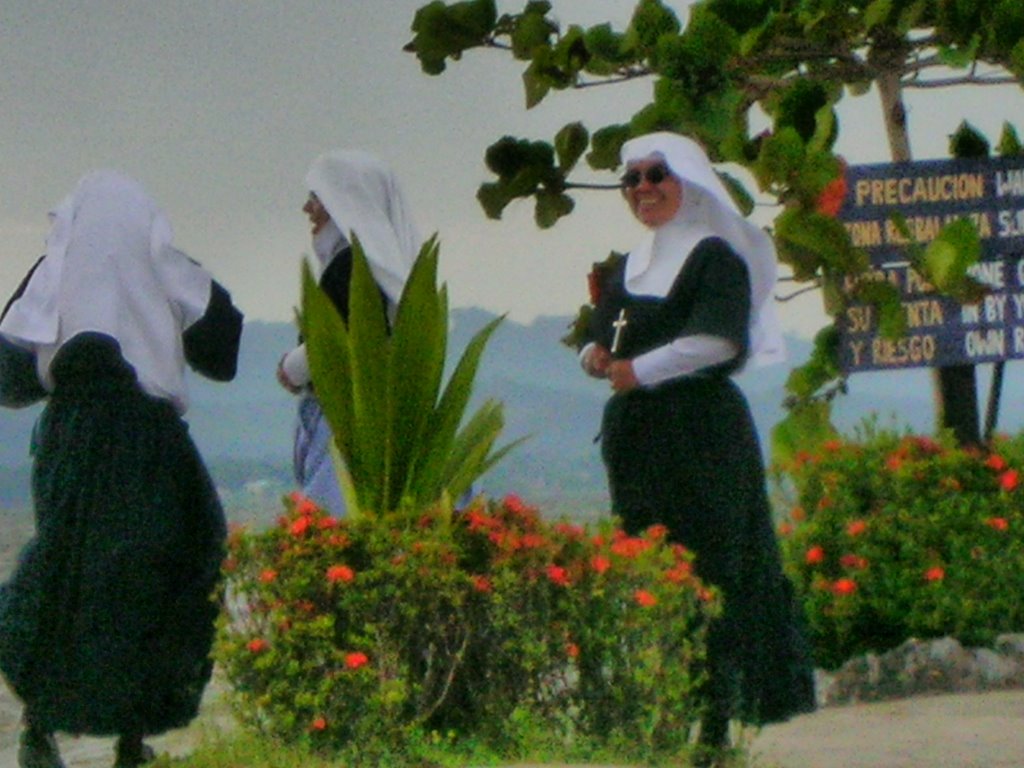
We went to this resort outside of Puerto Barrios for lunch last weekend. I have no idea who frequents the place. Puerto Barrios is hardly a tourist destination, and the resort is too expensive for the locals. Perhaps rich people from Guatemala City trying to escape the rat race.

Anyway, I like these pics I took of a bunch of nuns enjoying their afternoon. A pity that I missed the shot of the four of them snoring away in a row of hammocks. The setting does not seem to fit with chastity, obedience, and poverty...

Tuesday, November 21, 2006

New Field Coordinator


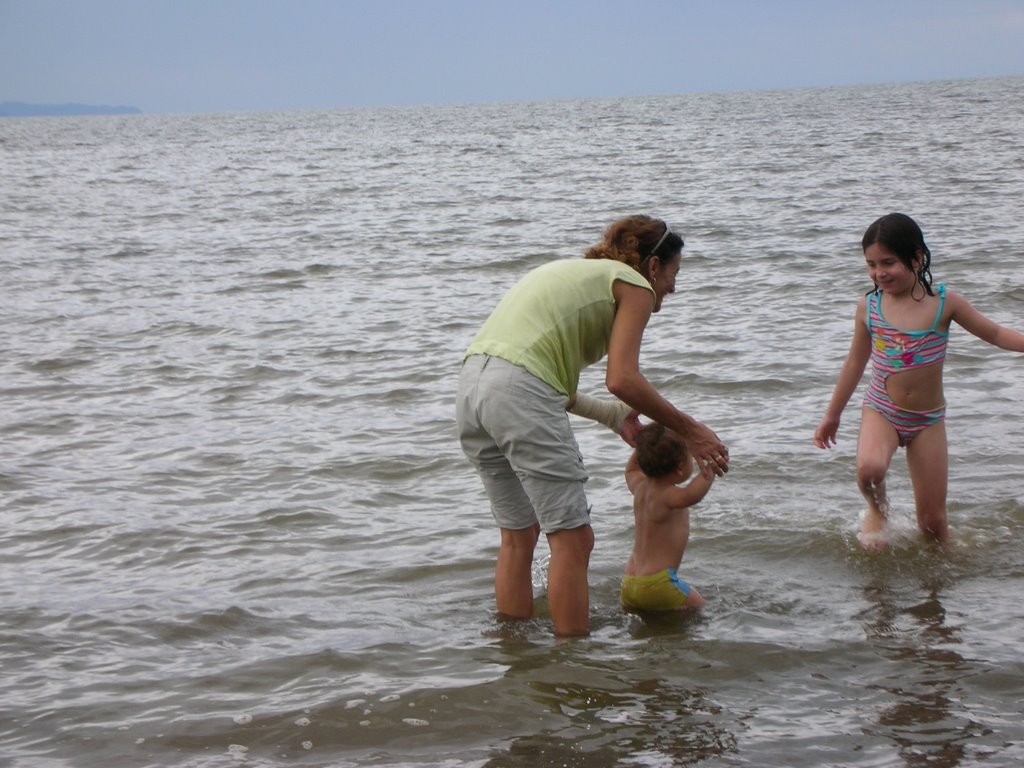
Nuria (at left) is our new Field Coordinator. She is replacing Dolors (at right), who has been the project coordinator for over a year. Dolors is returning to Barcelona for a rest until she heads out on her next project (she just finished her 7th).

Nuria works as a nurse in the Canary Islands between missions. Some people might consider her brave-- she brought her two young children with her to Guatemala. Adriana (playing in ocean, at left) is six; Carlos just turned one. They are lovely children. All the same, I am relieved that I don't have two toddlers as roommates. MSF pays for a separate apartment for Nuria and her kids, a baby-sitter, and living expenses. Their father is doctor who currently works in Jordan.


Thursday, November 16, 2006

Wednesday, November 15, 2006

Rescue me!

I am in a terrible mood and it is 100 degrees and 100% humidity and I am sick to death of speaking this foreign language. I feel sick. I had diarrhea, if you must know. I am taking Metronidazole. I think it is messing with my Central Nervous System. Somebody rescue me STAT, por favor.

Monday, November 06, 2006

Despedida Olopa


We celebrated the closing of MSF-España´s Chagas Disease project in Olopa over the weekend. Six people made the five hour trip from Puerto Barrios to Olopa on Friday morning. Another ten people drove five hours from Guatemala City. A picture of Olopa is at left.

The goodbye party (despedida) started with a five hour ceremony. The guests included: the entire Chagas team, out of town MSF employees, the Mayor of Olopa, the District Health Director, and the composer of the "Chinche Pecuda" offical song (which recounts all three stages of Chagas disease in verse form). [If anybody knows how to upload a music file onto Blogger, please let me know. I will upload the song!]. The ceremony included a lunch of steak, vegetables, avocado, tortillas, and local liquor (a mix of rum, beer, orange juice, and 7-up). The food was grilled outside on a grill stuck into an extra-large sawed-off barrel. After the food was cleared, there were two live bands and of course plenty of dancing.

After the official ceremony, the Olopa team and out-of-town guests went back to casa Olopa, where (almost) everybody danced and drank for four more hours. I reverted to my old-self--I sat in another room and read Manson´s Tropical Diseases. Six hours of dancing is a tad excessive.

All and all, the Chagas disease project tested and treated some of the poorest children in an isolated part of one of the poorest countries in the Western hemisphere. More than 8,000 quantatative immunoglobulin assays were done in a nearby lab. [It takes several weeks to get results for the same test at a tertiary referral center in NYC.] The good-bye party was an apt end to this impressive project.

Saturday, November 04, 2006

Chaos

There was chaos in the Hospital Naciónal on Friday. Other than the MSF clinic, Dr. Ordoñez is usually the only Internist for all the inpatients in the hospital. There is also one Internist for the medicine outpatients, but she has been on strike off and on since July.

According to Henry, the Guatemalan MSF doctor I work with, the hospital has not paid Dr. Ordoñez´s salary for eight months. When I asked him why, he shrugged his shoulders and said that they do not have the money to pay. Late Thursday afternoon, Dr. Ordoñez resigned. By the time I left on Friday, the hospital had not found another doctor to take care of the medicine inpatients. Henry said that there is no other doctor in Puerto Barrios who would take that job.

Becuase Henry and I take care of all the HIV/AIDS outpatients and inpatients, this mess will likely not affect our project. I mention it only as an example of the precarious health care system for the poor here in Guatemala.

Friday, October 27, 2006

Vacation


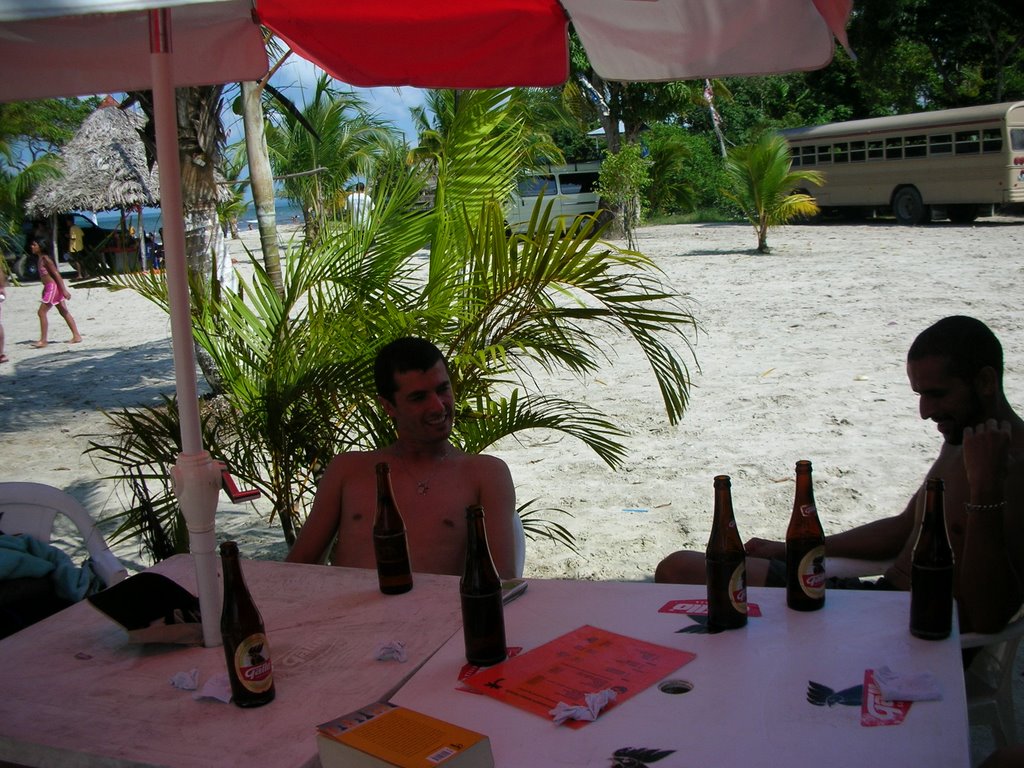
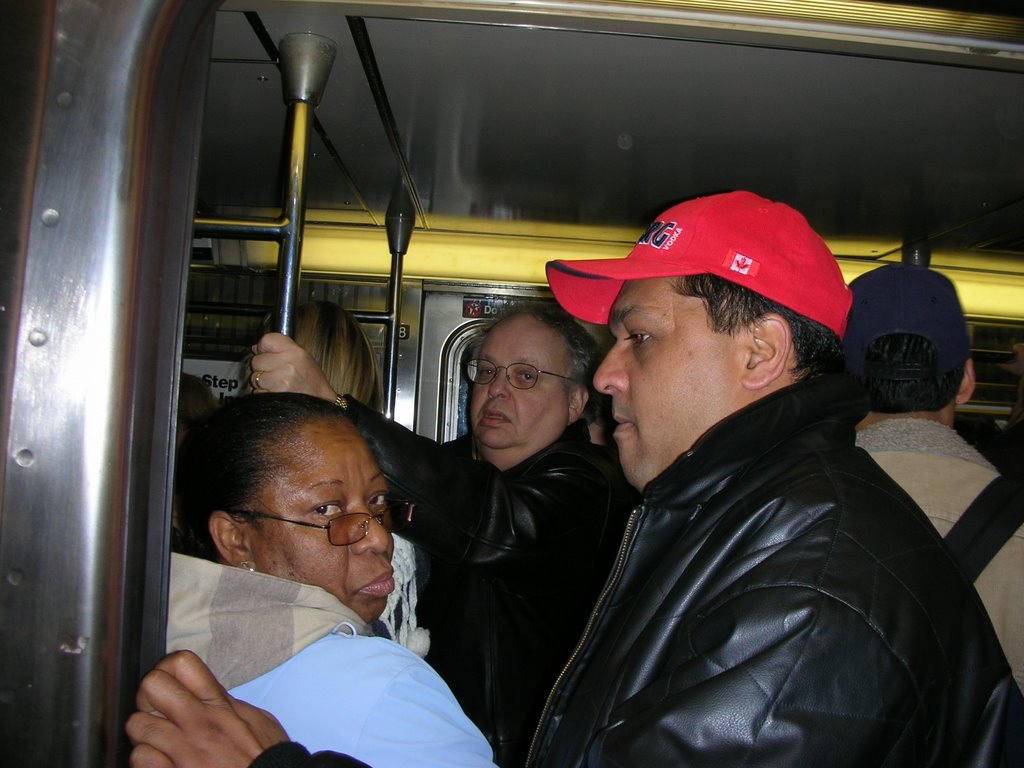
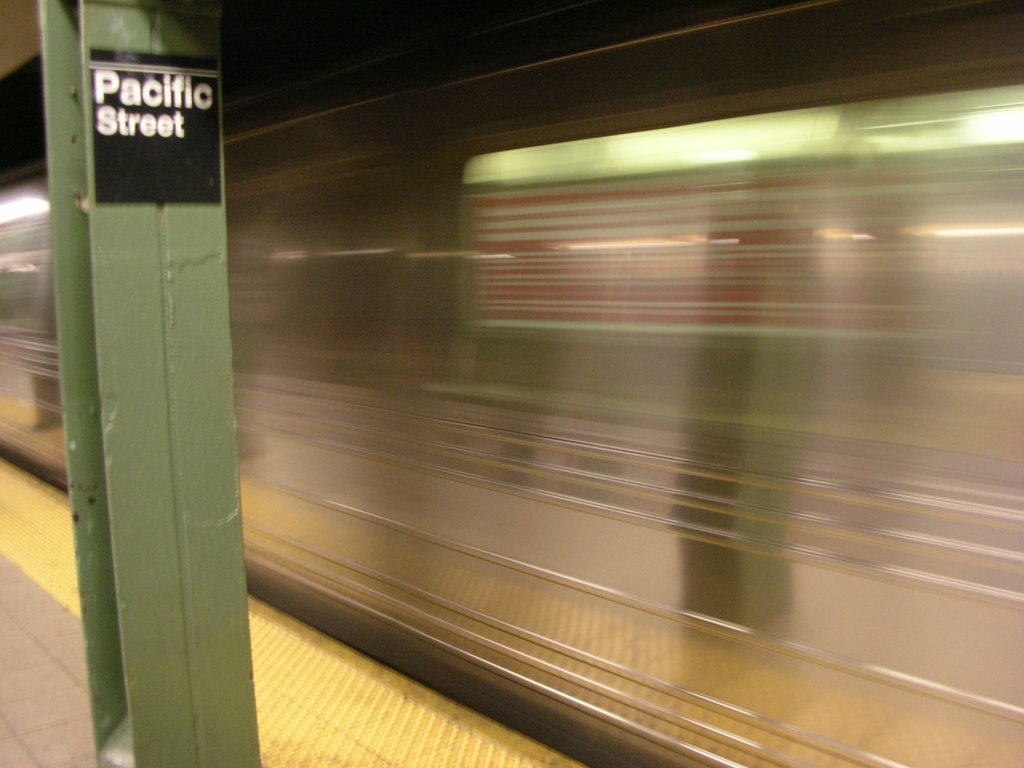
The pictures on the left side of the page are taken during my day-to-day life in Guatemala. The pics on the right are taken during my "vacation" this week in NYC. No wonder I am feeling particularly confused! Sad suspicious faces, whizzing subways, liquors to dull the pain of our very existence....

I also put "vacation" in quotes because part of the motive for coming to NYC was to pick up my prescription medication that I could not get in Guatemala. My beloved sister sent my refills via DHL, but the retards who work there got confused between my office address and the dead package office (they call it "customs"). We have been waiting over 6 weeks for a package they promised to deliver in 3 days. To my delight, I've discovered that there are several websites exclusively dedicated to railing on DHL and it's shitty un-service.

Anyway, I had to pay out of pocket to replace my lost medicine. Does $550.00 for a 2-month supply seem a tad overpriced to anybody else? It's not the like medicine really works that well anyway. At least the clinical trials don't show an overwhelming effect.

Let's just pretend for a second that I was one of the > 40 million Americans who does not have health insurance. Just for one medicine, I would have to pay over $3,300 dollars per year. But luckily I have health insurance, so usually I only have to pay a $20.00 copayment for each batch of pills. Who pays for the rest? All of you suckers! Your premiums are through the roof, aren't they?

You are not the only loser. We all get screwed, because the US is spending more than 16% of our GDP on health care, instead of investing the money in education, or the environment, or free frozen York Pepperment Patties for everybody. Wherever it is that nice governments like Canada invest their money. Pharmaceuticals account for the fasting growing piece of the health care cost pie. That money we spend is buying the fancy suits that fill the pharmaceutical reps' closets. The multimillionaire pharma CEOs are spending our money on god-knows what: another vacation in St. Bart's? more botox? alimony? How could they possibly spend it all during one lifetime?

Why am I up on a soapbox today, and what exactly am I railing against? I have no idea. I think I am only bitter because I have a headache and because I feel sick and confused on my vacation and because I spent a fortune at Duane-Reade. I think the coffee might be stronger in Guatemala. On the bright side, I am delighted to see my sister and many friends, including pregnant Aoibheann. Pregnant Aoibheann looks even more beautiful than not-pregnant Aoibheann, which is saying a lot.

Saturday, October 14, 2006

Touched by the Sun?


Have you read Heart of Darkness? I read it in high school. Joseph Conrad. It is a book about a guy in the military who went nuts during a war and barricaded himself in a creepy fort up-river in the Congo. Or was it Cambodia? I get mixed up between Heart of Darkness and Apocalypse Now, which was a movie which ripped off the Heart of Darkness plot. "The horror, the horror" is all I really remember...

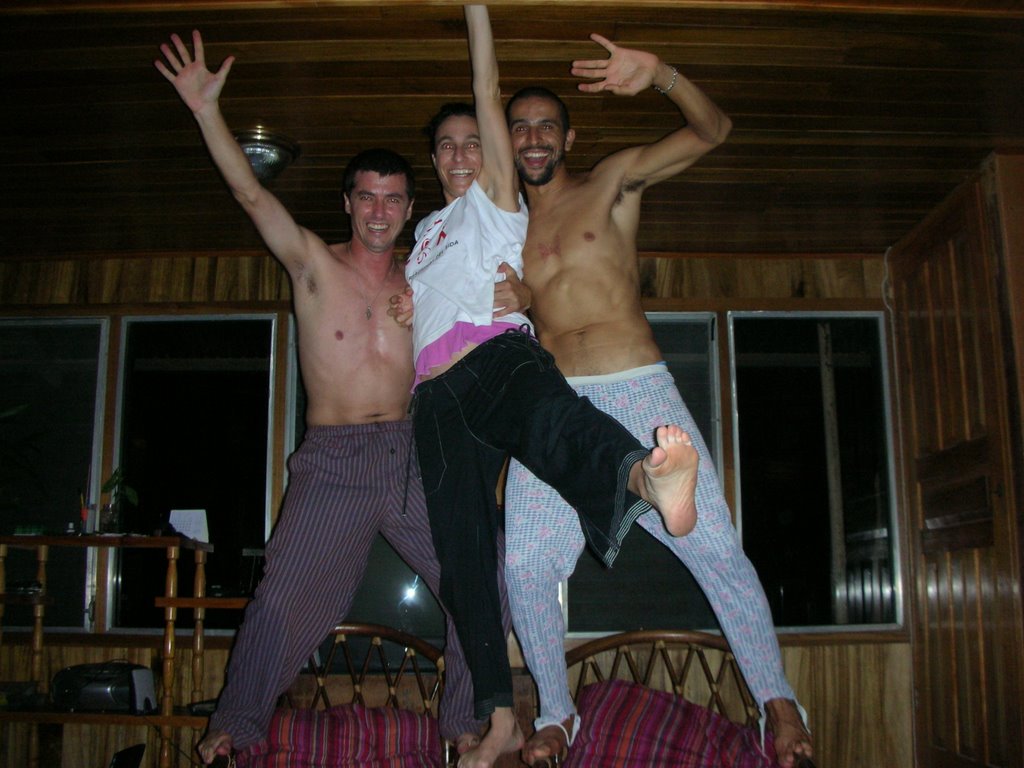
Anyway, here I am, practically in the jungle myself. The tropical heat all day long, all week long, all month long, month after month....I am a city girl--totally disoriented by all these flowers and trees and wide open space. There is no war here, but there are plenty of problems, especially if you are sick enough to get yourself into Hospital Naciónal, Puerto Barrios. Is it getting to me? Am I showing early signs of psychosis? I know I was not dancing on tables with half-naked men when I left New York....Or could it be the rum drinks that have turned the screw a little looser?

Sunday, October 08, 2006

My first case of Leishmaniasis!


While we are on the subject of neglected diseases, I am happy to report that I saw my first case of leishmaniasis last week. It was only cutaneous leishmaniasis, but I was excited nonetheless. My patient lives in El Petén, the Northernmost Department in Guatemala. Most of Petén is undeveloped jungle, filled to the brim with sandflies anmosquitoesos and various other creepy-crawlies.

Most of you probably have the > 20 leishmania subspecies memorized. I was a bit rusty. I gave myself the Leishmaniasis for Dummies refresher course, which I will summarize below:

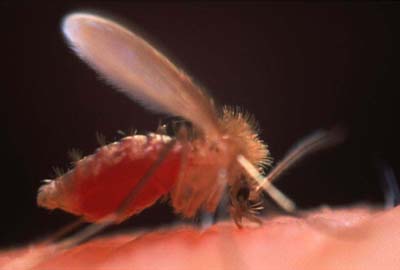
Leishmaniasis is a protozoan parasite. Molecularly, the parasite lifecycle and pathogenesis is similar to T. cruzi, which causes Chagas Disease (see previous post). The Leishhmania parasite vector is the female Phlebotomus dubosci sandfly, which is shown above right, enjoying a blood meal from a human host (picture courtesy of Welcome TDR image bank). In exchange for the blood meal, the fly passes the parasite back to the host, where it enters Macrophages. Infected macrophages either plant themselves in the skin, or travel through the reticuloendothelial system to infect various organ systems. But this may be beyond the scope of Leishmaniasis For Dummies...

Some leishmania species give patients ugly skin rashes (callecutaneousus or mucocutaneous disease). Other species cause more generalized constitutional ailments (visceral leishmaniasis). Full blown visceral leishmaniasis (VL) is called Kala-Azar, which is one of the DNDI Neglected Diseases (see Chagas Disease below). Kala-Azar presents with fever and weight loss, as well as diarrhea, body swelling, neurologicalgic disease, and rashes of all colors and patterns. The incidence of visceral leishmaniasis is high in patients co-infected with HIV. A 2006 study published by the journal Clinical Infectious Diseases cited that 70% of symptomatic VL patients were coinfected with HIV.

There is much more to say about Leishmaniasis, but I will spare you the details. I refer interested parties to the UpToDate Monograph, CDC, and WHO websites. Also, while browsing the internet for a pic of the sandfly that carries the parasite, I stumbled across the WHO TDR website, a most useful resource. WHO TDR is short for "The Special Programme for Research and Training in Tropical Diseases (TDR)." According to it´s mission statement, TDR is "an independent global programme of scientific collaboration. Established in 1975 and co-sponsored by the United Nations Children's Fund (UNICEF), the United Nations Development Programme (UNDP), the World Bank and the World Health Organization (WHO), it aims to help coordinate, support and influence global efforts to combat a portfolio of major diseases of the poor and disadvantaged. " Cool, ¿no? The best part is Welcome trust´s image databank, which has over 13,000 images related to TDR target diseases.

Monday, October 02, 2006

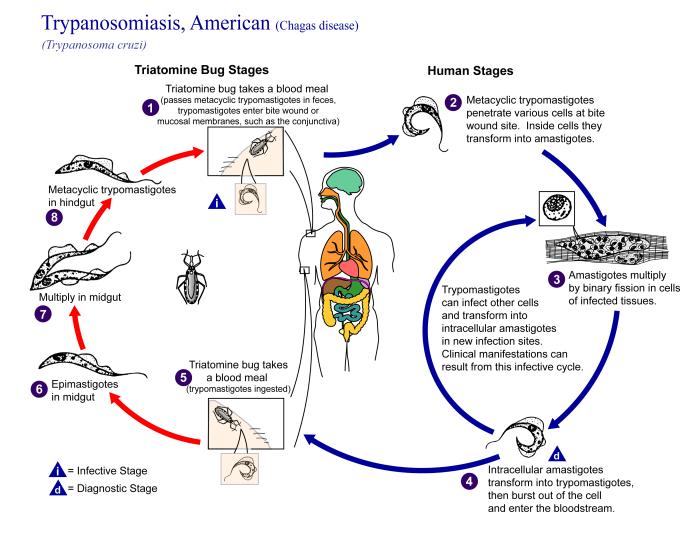
Chagas Disease


Chagas is a disease caused by a protozoan called Trypanosoma cruzi. You haven´t heard of of Chagas? Maybe because it is only a big problem in poor areas of Central and South America. Chagas was deemed one of the "neglected diseases," along with Kala-Azar (visceral leishmaniasis), and sleeping sickness (aka Human African Trypanosomiasis), by the a non-profit called Drugs for Neglected Diseases (DNDI). DNDI was founded by seven organizations in 2003. They work with scientists and pharmaceutical companies to develop better diagnostic tests and treatment for diseases that primarily affect poor people. Poor countries cannot afford newly patented expensive drugs. Who wants to waste time designing drugs for a feeble market?

Anyway, MSF-Espana has done a lot of work on Chagas. There are on-going projects in Bolivia, Ecuador, and Olopa, Guatemala. The four bad-ass women who run the Olopa project will hand over their project to the Guatemalan local health authorities and close up the office in November 2006 (see friends from Olopa, below).

The skinny on Chagas: T. Cruzi is passed via the reduviid bug "kissing big" (see pic above left). These insects live in the cracks of poorly constructed wood houses. At night, the bugs suck blood from sleeping children, thendefecatee on their skin. When the kid scratches his itchy bug bite, the parasite is passed from the bugs fecal matter into the patient´s blood stream through small breaks in skin.

Chagas is particularly difficult to diagnose because it has a long asymptomatic stage. After the initial bug bite/feces inoculation, the parasite passes from the blood stream into muscle and nerve cells. The acute disease is generally a mild flu-like illness that goes undetected by the patient and/or doctor. After the innocuous acute phase, the parasite load in the blood stream falls, and the patient feels well. Several decades pass.

Twenty to thirty years after the initial infection, about 50% of Chagas patients become ill with the chronic phase. The most common manifestations are cardiomyopathy (heart failure) and megacolon (gastrointestinal disease). By the time a patient becomes symptomatic in the chronic phase, Chagas is almost impossible to treat.

In some United States tertiary referral hospitals (e.g. a certain Northern Manhattan medical center), some patients with Chagas are candidates for heart transplants (if they are lucky enough to have Medicaid or other health insurance, of course). I saw exactly one patient with Chagas in my 10 years in at the northern manhattan medical center. Several months after a heart transplant saved this patient´s life, her new heart failed. The medical team suspected that the parasite load increased while the patient was on immunosuppresant drugs, then the parasite swarm infected her new heart! I cannot remember whether this theory was ever proven by heart biopsy.

For more info on Chagas (including pics of Olopa), check out the MSF-Espana website "virtual Chagas tour."

Sunday, October 01, 2006

Olopa

These are the famous women of Olopa. They are a common topic of conversation in our household, given their immense beauty, intelligence, sensibility, humor, and general all-around awesomeness.

Ángeles is on the left, swigging a beer. She is the logistician. Most MSF logisticians are male. They need to know how to fix the truck, install sanitation systems, deliver water to refugee camps, etc. Montse is in yellow. She is a doctor from Barcelona. I can´t understand her accent, but word has it that she is very funny. Gemma is in the pic below with Conrado (in disguise in my hat and glasses). Gemma drives the truck around to remote villages to draw blood samples and teach the locals about Chagas.

The women live together in a combined house/office in Olopa, a mountain village too small and poor to make most maps of Guatemala. Olopa is 2.5 hours from the nearest highway. It does not have any restaurants or hotels, but there is a small store and another business or two. The locals wear sombreros and carry machetes.

Wednesday, September 27, 2006

Flying High


I came here for the work. I was not looking for fun. But fun seems to have found me.

Where has the misery gone? Has it been swept away by constant company? Due to our "Normas de Seguridad" (see upcoming post), I have not been able to reach my full loner potential. I am almost never alone, in fact. I spend my descanso (rest time) with my co-workers/roommates.

Maybe I feel better in the absence of constant frenzy. In New York, I was in a rush every minute of every day of every year. Always running. I ate my lunch in the elevator while running to a meeting or hiding in the hallway between patients. Here, we go home for lunch, followed by a lengthy siesta.

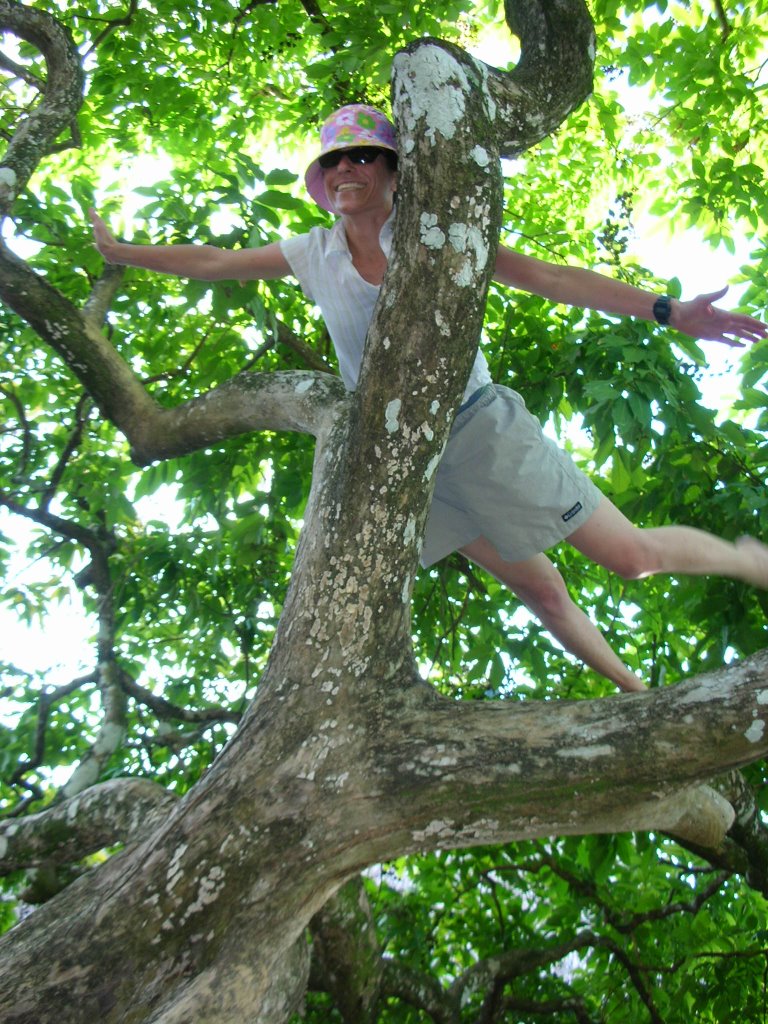
On the weekend, our whole team packs up our 4-wheel drive vehicle and we head out for an excursion. We meet up with our friends from Olopa, somewhere in between Olopa and Puerto Barrios. Our weekend days are spent breakfasting (pic below), then lying around in a hammock. Sometimes we go to a swimming hole. Generally we have a long lunch, then a nap. By evening I am ready for a beer or two or three. Then I get dragged out to the nearest disco, against my will, where I am forced to dance and drink, and sometimes jump in a nearby lake to cool down.

Maybe it is the tranquility of Guatemala that has mellowed me out. There are no visible signs of the long bloody civil war. Despite the poverty, this country is beautiful: rolling hills, thick green jungle, wildlife, tropical flowers that grow like weeds. Or, could it be that I am more comfortable around the wayward MSF ex-pats than the marrieds with children and Park Slope or UWS real estate? (No offence to all my beloved friends in this category-- it was a rhetorical question...)

Will I have to change my username to euphoric? No no, never fear... I´m sure dysphoric will be back before I know it.
Pic at left is from the boat on Rio Dulce. Pic above right is Finca Paradisio, near El Estor.

Monday, September 18, 2006

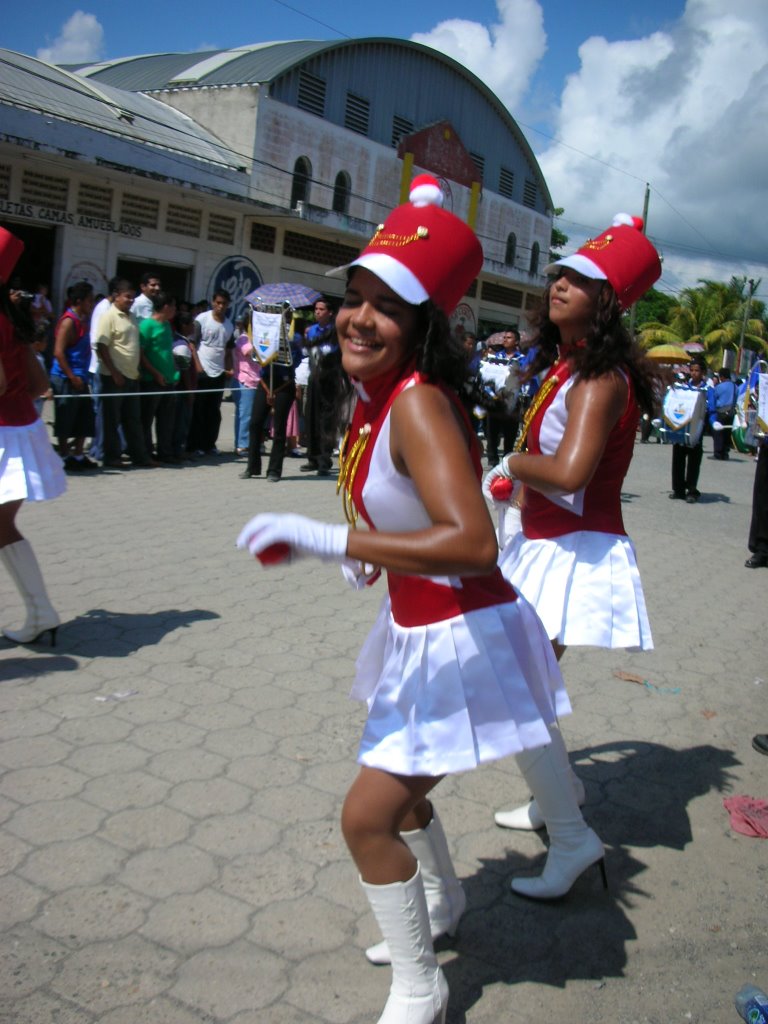
Who is the Real Miss 15 de Septiembre?


Guatemalan Independence day is celebrated on September 15th. Traditionally, the children from primary and secondary schools parade through the streets of every town.
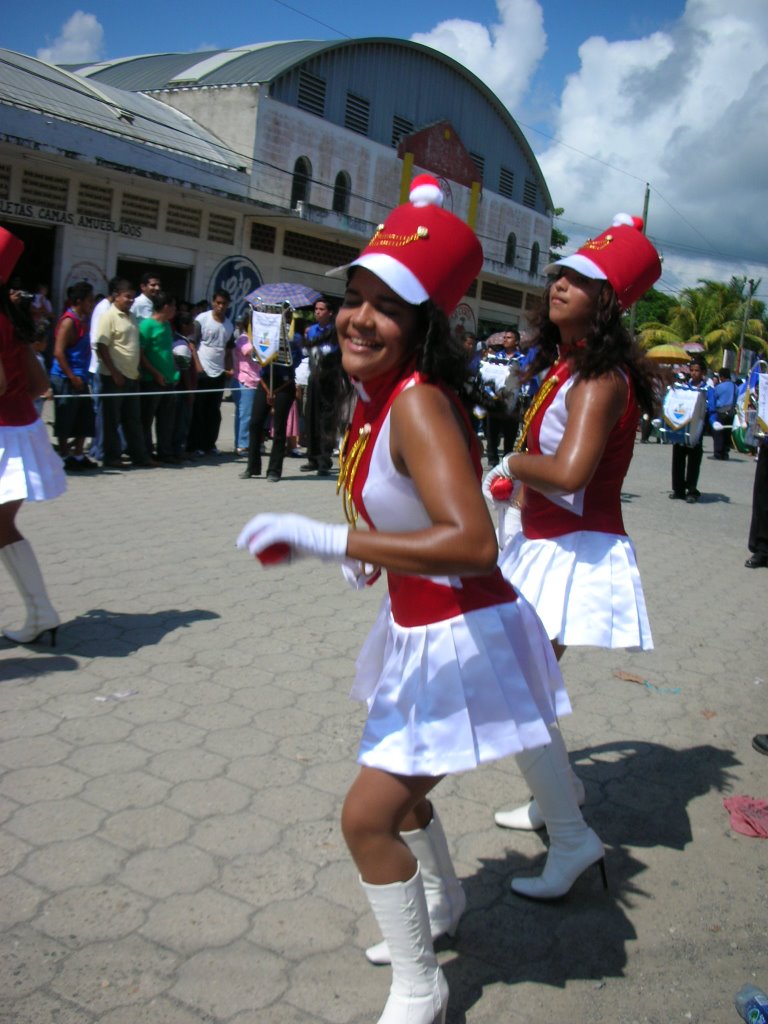
Norma, our housekeeper and Acting-Mother to generations of MSF volunteers in Puerto Barrios, borrowed my camera to take pictures of her daughter Nancy in the parade. Nancy had to dance through the streets of Puerto Barrios for over three hours in this get-up in 100 degree 100% humidity Puerto Barrios weather. Child abuse.

Afterwards, Norma and Nancy thought it would be really funny if I tried on her outfit. The boots are to die for, no?

Monday, September 11, 2006

Hanging Out With the Brothers

Dolores, our Field Project Coordinator, works a lot. She spends much of her free time with local friends. That leaves Rafa, Conrado, and me with a lot of quality time. I feel like I was born again into life with two brothers.
They eat a lot, watch tv, talk about women, and drink beer. I fit right in.
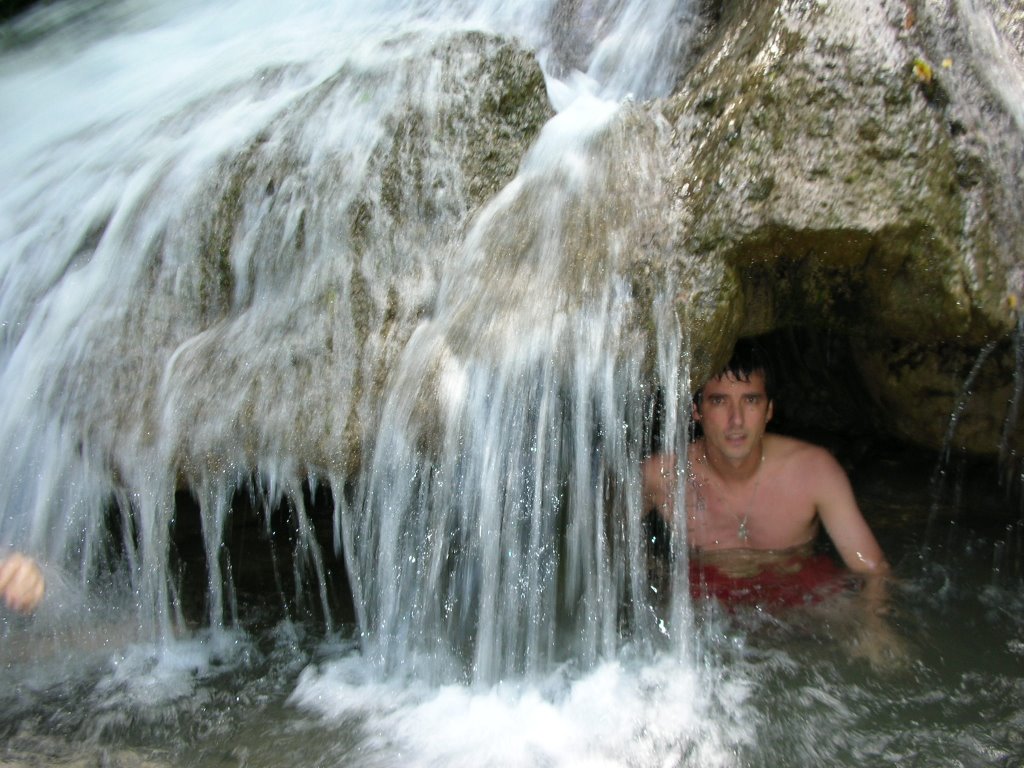
Above left is a pic of Conrado (my Colombian brother) watching the Simpsons dubbed into Spanish. [It's much better in English]. The pic on the right is Rafa (my Spanish brother) at Las Escobas, which is a secluded swimming hole with waterfalls in the middle of the jungle about 20 mins outside of Puerto Barrios. Due to popular demand, I include a pic of myself below (in a bathing suit no less!) at Las Escobas.